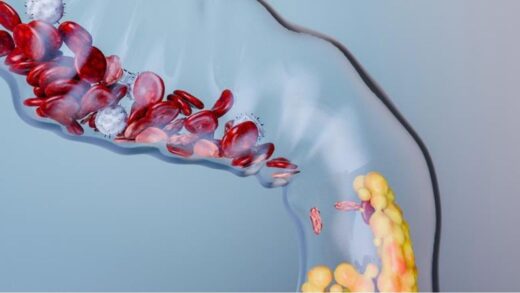
A new experimental vaccine based on peptides has been shown to reduce cholesterol levels and artery plaque in mice, according to preclinical research from scientists at Peking University.
The study suggests that targeting a protein called PCSK9 through vaccination could offer a longer-lasting way to manage high cholesterol and reduce the risk of atherosclerotic cardiovascular disease (ASCVD), one of the leading causes of death worldwide. However, the results are still at an early stage and have not been tested in humans.
How the vaccine works
Researchers focused on PCSK9, a protein that regulates how the liver removes low-density lipoprotein cholesterol (LDL-C), often called “bad cholesterol”, from the blood.
Current treatments that block PCSK9, including monoclonal antibody drugs and RNA-based therapies, can effectively lower cholesterol. However, they must be taken repeatedly and can be expensive.
To explore a longer-term alternative, the researchers designed a peptide-based vaccine intended to trigger the immune system to produce its own antibodies against PCSK9.
Using protein structure data and artificial intelligence modelling, the team identified specific parts of the PCSK9 protein that could be targeted by antibodies. Three vaccine candidates were tested, with one called “PVC3” producing the strongest immune response in animal studies.
Results in animals
In mice, the vaccine led to sustained antibody production lasting up to 24 weeks. It also reduced LDL cholesterol levels and decreased fat accumulation in the liver.
In one mouse model of high cholesterol, LDL levels dropped by up to 29% at four weeks and 20% at 14 weeks compared with untreated animals. The treatment also reduced the size of plaque build-up in the arteries.
The researchers also tested the vaccine in guinea pigs and rhesus macaques. While monkeys developed strong antibody responses, the vaccine did not significantly change cholesterol levels in that group.
Safety and limitations
The study reported no clear signs of toxicity or major organ damage in the animals tested. Researchers also did not observe unwanted immune reactions targeting T-cells, suggesting a favourable early safety profile.
However, scientists say the results in monkeys highlight an important limitation. Unlike mice, the vaccinated primates did not show improvements in cholesterol levels, raising questions about how the treatment may work in more complex biological systems.
Experts involved in the study said further testing in animals with high cholesterol is needed before considering human trials.
What happens next
The researchers say the findings demonstrate the potential of a vaccine-based approach to targeting PCSK9, which could in theory provide longer-lasting cholesterol control compared with current therapies.
However, they stress that the work remains at a preclinical stage. More studies are needed to understand how the vaccine works in different species and whether it could safely reduce cardiovascular risk in humans.
Until then, established cholesterol-lowering treatments remain the standard of care.