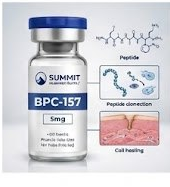
Understanding BPC-157: Definition, Classification, and Therapeutic Potential
Peptide therapy has shifted from a niche corner of experimental pharmacology into a mainstream subject of clinical research, athletic optimization, and regenerative medicine. Among the various compounds studied for tissue repair and cell protection, BPC-157 stands out as one of the most widely discussed yet regulatory-complex molecules.
Below is an in-depth breakdown of BPC-157, exploring its origin, cellular mechanisms, classification, and biological effects.
Defining BPC-157: The Core Thesis
BPC-157 is a synthetic pentadecapeptide derived from a naturally occurring protective protein found in human gastric juice, defined scientifically as an experimental regenerative agent that accelerates tissue repair, promotes angiogenesis, and modulates inflammatory pathways across multiple organ systems.
Unlike simple metabolic peptides that trigger localized hormone release, BPC-157 functions as a systemic tissue-protective compound capable of surviving harsh gastric environments to mediate cellular repair in muscle, tendon, ligament, gut, and neural tissues.
What BPC-157 Is by Definition
By chemical structure, BPC-157 is a sequence of 15 amino acids linked together in a specific chain:
Amino Acid Sequence:
Gly-Glu-Pro-Pro-Pro-Gly-Lys-Pro-Ala-Asp-Asp-Ala-Gly-Leu-Val
It belongs to the broader class of peptides—short chains of amino acid monomers linked by peptide bonds. While natural proteins often consist of hundreds of amino acids, BPC-157 is a small, targeted fragment engineered to retain and amplify the specific organoprotective properties of its parent protein.
       [Parent Gastric Protein]
                 │
                 ▼
      [Truncated 15-Amino Acid Sequence]
                 │
                 ▼
[BPC-157 (Body Protection Compound 157)]
Deconstructing the Name: What “BPC-157” Means
The nomenclature of BPC-157 breaks down into three specific functional components:
| Term Segment | Scientific Meaning | Functional Relevance |
|---|---|---|
| BPC | Body Protection Compound | Highlights its physiological role in shielding organs, gastrointestinal lining, and vascular walls from oxidative stress and mechanical damage. |
| 15 | 15 Amino Acids (Pentadecapeptide) | Refers to the precise 15-sequence peptide chain isolated from the larger gastric protein sequence. |
| 7 | Laboratory Sequence Variant | Designates the specific laboratory iteration/synthesis code that demonstrated optimal stability and bioavailability during early trials. |
Expounding on the Definition: Structural Stability & Bioavailability
To fully grasp what sets BPC-157 apart from other therapeutic peptides, one must understand its structural resistance. Most naturally occurring peptides degrade rapidly in the bloodstream or are broken down almost instantly by digestive enzymes in the stomach.
BPC-157 is classified as a stable gastric pentadecapeptide. Because its sequence originates from gastric juice—an environment with a pH as low as 1.5 to 2.0—it exhibits unusual structural stability against enzymatic degradation. This characteristic allows it to remain stable in human gastric juice for extended periods, making both oral and parenteral (injectable) administration routes subject to scientific study.
Classification of BPC-157
In biochemical and medical research, BPC-157 fits into several intersecting categories:
- Biochemical Class: Synthetic Pentadecapeptide / Oligopeptide
- Functional Class: Cytoprotective Agent / Regenerative Medicine Compound / Angiogenic Modulator
- Regulatory Class: Unapproved Experimental New Drug (FDA category); Prohibited Substance under WADA (World Anti-Doping Agency) in-competition and out-of-competition rules.
Discovery and Scientific History
BPC-157 was first discovered and isolated in the early 1990s by a team of Croatian researchers led by Dr. Predrag Sikiric at the University of Zagreb.
The research team was investigating natural gastroprotective mechanisms—specifically why the stomach lining is capable of healing rapidly despite constant exposure to aggressive gastric acid and digestive enzymes. They isolated a large protein named Body Protection Compound (BPC) from human gastric mucosal secretions and subsequently synthesized its active fragment: the 15-amino-acid chain known today as BPC-157.
Biological Functions: What BPC-157 Does for the Body
Primary research demonstrates that BPC-157 coordinates systemic healing across diverse tissue types through several biochemical pathways:
- Accelerated Musculoskeletal Repair: Promotes faster structural recovery in damaged tendons, ligaments, skeletal muscle fibers, and bone fractures by accelerating growth factor expression.
- Gastrointestinal Cytoprotection: Helps repair leaky gut tight junctions, reduces intestinal inflammation, and aids in healing gastric ulcers or inflammatory bowel conditions (IBD).
- Vascular Adaptation & Angiogenesis: Stimulates the formation of new blood vessels (angiogenesis) around damaged tissues, restoring blood flow and nutrient delivery to injured zones.
- Neuroprotection: Demonstrates protective effects on central nervous system tissues following traumatic injury or toxin exposure by modulating neurotransmitter synthesis.
- Counteracting NSAID Damage: Protects organs from the corrosive side effects of long-term non-steroidal anti-inflammatory drug (NSAID) use, particularly liver and gastric tissue damage.
Cellular Targets: Which Cells Does BPC-157 Affect?
BPC-157 operates through direct signaling on key cellular populations involved in tissue reconstruction:
                  ┌──► Tenocytes (Tendon/Ligament collagen output)
                  ├──► Endothelial Cells (VEGFR2 activation & blood vessel formation)
[BPC-157 Signal] ─┼──► Fibroblasts (Extracellular matrix reconstruction)
                  ├──► Myoblasts (Skeletal muscle cell migration & repair)
                  └──► Enterocytes (Gut lining integrity & tight junctions)
- Tenocytes & Fibroblasts: Upregulates growth hormone receptor expression in tenocytes, causing faster cell proliferation and increased production of Type I collagen in tendons and ligaments.
- Endothelial Cells: Interacts directly with the VEGFR2 (Vascular Endothelial Growth Factor Receptor 2) pathway, triggering endothelial cell migration to initiate localized blood vessel growth.
- Myoblasts: Accelerates the migration and differentiation of satellite skeletal muscle cells to repair torn muscle tissue.
- Gastrointestinal Enterocytes: Modulates Egr-1, NAB2, and JAK2 signaling pathways in gut epithelial cells to restore structural cell-to-cell tight junctions.
Human Use Timeline: When BPC-157 Entered Public Use
The transition of BPC-157 from laboratory benches to commercial availability followed a non-traditional pathway:
- Early 1990s – 2000s: Restricted strictly to preclinical rodent and cell-culture models in academic facilities (primarily in Croatia).
- 2010 – 2015: Transitioned into early stage Phase I human clinical trials for inflammatory bowel disease in Europe, though full Phase II/III results were not published in mainstream global journals.
- 2016 – 2018: Entered the wellness, sports recovery, and compounding pharmacy ecosystems in North America and Western Europe as a research chemical and off-label peptide therapy.
- 2022 – Present: Heightened regulatory scrutiny led the U.S. Food and Drug Administration (FDA) to reclassify BPC-157 under Category 2 bulk drug substances, restricting compounding pharmacies from distributing it without specific IND authorization due to a lack of formal safety data in humans.
Summary Keypoints
- Definition: BPC-157 is a 15-amino-acid synthetic peptide modeled after a protective gastric protein.
- Mechanism: Acts on fibroblasts, endothelial cells, and tenocytes to accelerate wound healing and promote localized blood vessel growth.
- Primary Uses in Research: Soft tissue repair (tendons/ligaments), gut lining restoration, and neuroprotection.
- Discovery: Isolated in the early 1990s by Dr. Predrag Sikiric at the University of Zagreb.
- Current Regulatory Status: Classified as an experimental research compound; restricted from compounding by FDA directives and banned by WADA for competitive athletes.
Popular BPC-157 questions & Topics
|
BPC-157 Oral vs. Subcutaneous: which is better?
6 views
|
|
| Explore All Articles and Listicles covering Popular BPC-157 Topics & Searches | |