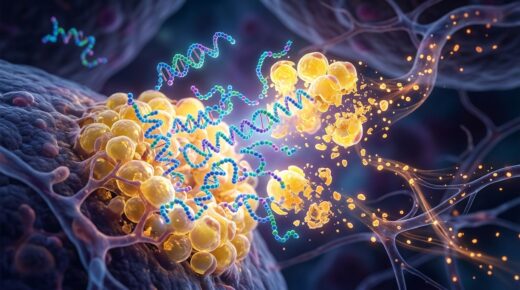
Peptides, the short chains of amino acids that act as biological messengers, are drawing attention in obesity research. Clinical trials and systematic reviews suggest they can reduce visceral fat, regulate metabolism, and even transform how fat tissue behaves. While hype often runs ahead of evidence, several studies are beginning to show real promise.
Tesamorelin: Cutting Visceral Fat
One of the most established peptide therapies is tesamorelin, a synthetic growth hormone‑releasing factor. In a phase III trial published in The New England Journal of Medicine, Falutz et al. found that daily tesamorelin reduced visceral fat by 15.2% over 26 weeks, without affecting subcutaneous fat or worsening glucose tolerance.
A follow‑up study in JAMA reinforced these findings, showing a mean reduction of 34 cm² in visceral adipose tissue compared to an 8 cm² increase in the placebo group. The same trial also documented decreased liver fat accumulation. These results led to FDA approval of tesamorelin for specific fat‑distribution conditions, making it one of the few peptides with recognized medical use.
Retatrutide: Triple Agonist Power
Another breakthrough is retatrutide, an investigational “triple agonist” peptide. It mimics GLP‑1, GIP, and glucagon receptors, combining appetite suppression with increased energy expenditure. In a 48‑week randomized trial published in NEJM by Jastreboff et al., participants on the highest dose lost an average of 24.2% of their body weight — roughly 58 pounds. This level of efficacy is unprecedented in mid‑stage obesity trials and has positioned retatrutide as a potential game‑changer.
Food‑Derived Peptides: Browning White Fat
Beyond pharmaceuticals, researchers are exploring bioactive peptides from soy, milk, and marine proteins. A review in Biomedical Reports highlighted how signaling peptides activate PRDM16 and PPAR pathways, transforming white fat cells into energy‑burning beige or brown fat. A systematic review in Comprehensive Reviews in Food Science and Food Safety documented how dietary peptides resist digestion, inhibit pancreatic lipase, and modulate gut‑organ axes to improve insulin resistance.
The Bottom Line
From FDA‑approved tesamorelin to experimental agents like retatrutide and naturally derived food peptides, science shows that peptides can influence fat metabolism through distinct biological pathways. While long‑term safety data and regulatory approvals remain limited, peptides represent a growing frontier and arguably the future in the battle against obesity.
1 Response