
Peptides may be best known today for their role in wellness clinics, longevity stacks, and fitness recovery protocols. But a new report from DelveInsight shows they are also making their way into the oncology pipeline, with several peptide‑based drugs now in advanced clinical trials for endometrial cancer.
From Gyms to Cancer Clinics
The peptide trend has largely been driven by compounds like BPC‑157 and TB‑500, marketed for tissue repair and recovery. Yet, as DelveInsight’s Advanced Endometrial Cancer Pipeline Insight 2026 highlights, peptides are also being developed as therapeutics for late‑stage cancers. This underscores their dual identity: molecules that can both optimize performance and potentially save lives.
Peptides in the Pipeline
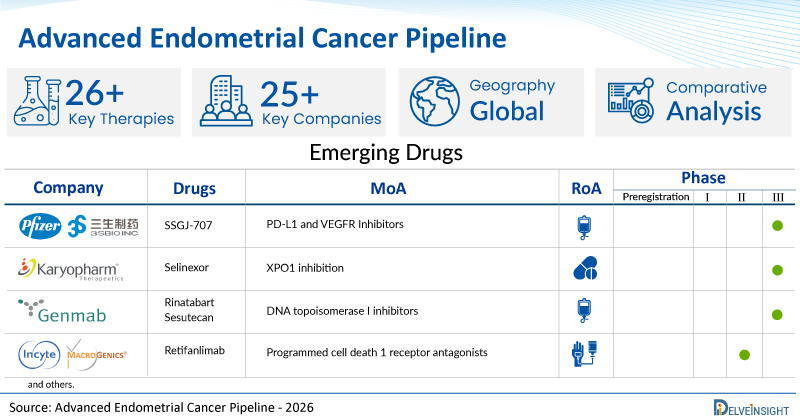
Among the 25+ active drugs in development for advanced endometrial cancer, several are peptide‑based or peptide‑derived. For example:
- Selinexor (Karyopharm Therapeutics) — an oral peptide‑inspired inhibitor targeting XPO1, now in Phase III trials.
- PF‑08634404 (Pfizer/3SBio) — a PD‑L1 and VEGFR inhibitor delivered intravenously, also in Phase III.
- HB0025 (Huabo Biopharm) — another PD‑L1/VEGFR peptide‑based therapy in early clinical stages.
These candidates are being tested alongside antibody‑drug conjugates, immunotherapies, and small molecules, showing how peptides are part of a multi‑modal oncology strategy.
Why It Matters
Endometrial cancer is one of the most common gynecologic malignancies, and advanced cases often resist standard treatments. As Stuti Mahajan, consulting manager at DelveInsight, noted: “Advanced endometrial cancer is a challenging, often recurrent or metastatic form of disease where treatment innovation is reshaping the therapeutic landscape.”
The inclusion of peptides in this innovation wave demonstrates that they are not confined to the wellness market. Instead, they are being validated in rigorous clinical settings, with FDA designations like Fast Track and Breakthrough Therapy already granted to some peptide‑linked candidates.
For readers tracking the peptide trend, this report is a reminder: peptides are more than recovery hacks or anti‑aging supplements. They are versatile molecules now being tested against some of the toughest cancers. As oncology pipelines expand, peptides may soon prove their worth not just in gyms and longevity clinics, but in hospitals and cancer centers worldwide.