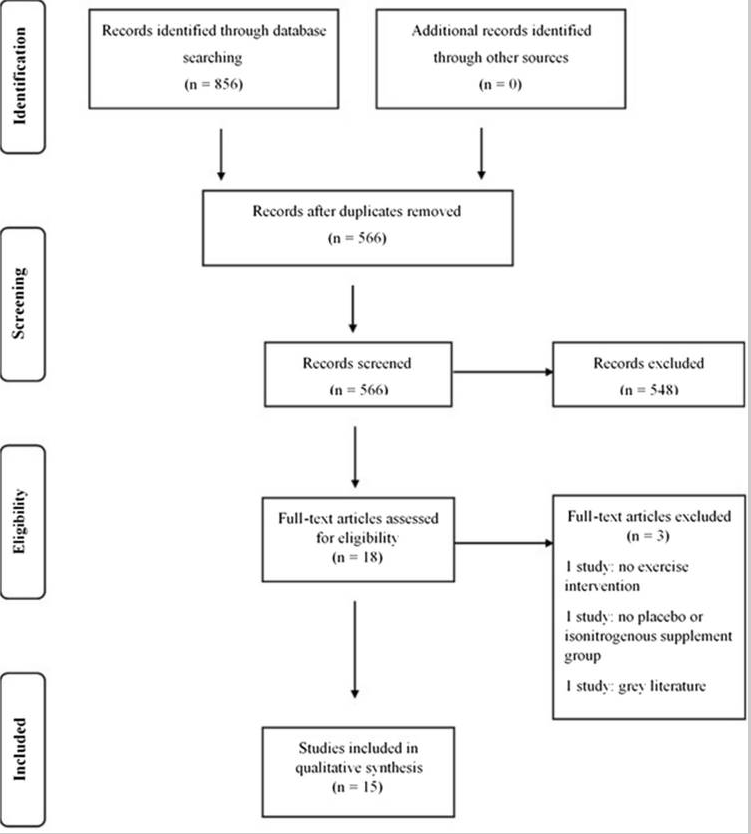
A new systematic review has shed light on the growing interest in collagen peptide supplementation, particularly when combined with exercise. Researchers analyzed 15 randomized controlled trials involving athletes, elderly participants, and recreationally active individuals to evaluate the effects of collagen peptides on joint pain, body composition, muscle recovery, and collagen synthesis.
According to these findings, collagen peptides may be most effective in reducing joint pain and improving joint function, which could make it a great alternative for the elderly and athletes. Several trials reported decreased knee and ankle pain, improved mobility, and faster recovery from tendon injuries when participants consumed daily doses ranging from 5 to 15 grams.
“Young athletes had improved ankle function with COL, citing a lower feeling of the ankle ‘giving away’ and a decrease in reoccurrence of ankle injuries after suffering from chronic ankle instability.” The study by Tom Clifford and a group of peers stated.
One other finding showed that athletes taking collagen peptides experienced a 59% reduction in the need for alternative pain treatments.
These results are considered exciting, especially when considering the widespread abuse of pain medication in the U.S. and other countries. The Directory of Open Access Journals notes that over 102 million Americans used prescription pain meds in 2022 alone, with opioids making up nearly half of the cases.
Notable Results in Body Composition
Beyond joint health, collagen peptides also showed modest improvements in body composition. Elderly men with sarcopenia gained more fat‑free mass and strength when supplementing with collagen alongside resistance training. Similar benefits were observed in recreationally active men and pre‑menopausal women, though the effects were less pronounced.
The review also saw potential benefits for muscle recovery. In one trial, participants noted significantly less muscle soreness after intensive exercise, with effect sizes indicating strong relief compared to placebo.
However, the study also found collagen peptides to be less effective in muscle building when compared to higher-quality proteins like whey. While collagen supplementation did elevate collagen synthesis markers, it did not match the anabolic effects of whey or lactalbumin.
Overall, this series of trials with several different peptides (collagen hydrolysate, type II collagen, gelatin enriched with vitamin C, and marine collagen) found strong evidence that these elements could be helpful for pain and recovery, and also increase gains in fat-free mass, especially for the elderly.
Key Takeaways
- Joint health: Strong evidence for reduced pain and improved recovery.
- Body composition: Moderate gains in fat‑free mass and strength, especially in older adults.
- Muscle recovery: Noticeable reduction in soreness post‑exercise.
- Protein synthesis: Collagen boosts collagen production but is inferior to whey for muscle growth.