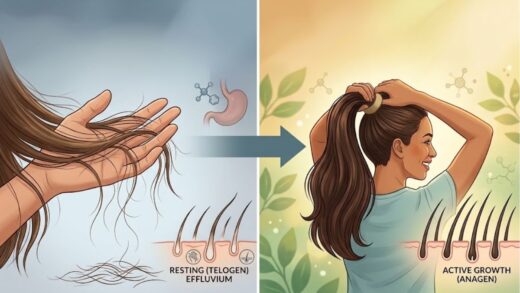
A clinical review published on Medscape says hair shedding reported with popular GLP-1 weight-loss drugs is usually temporary and most often related to rapid weight loss rather than permanent hair damage.
The drugs involved include semaglutide (sold as Ozempic and Wegovy) and tirzepatide (Mounjaro and Zepbound), which are widely used for obesity and type 2 diabetes treatment.
What the studies show
Recent research published in 2026, including studies in The BMJ and the Journal of the American Academy of Dermatology, found a small but increased risk of hair thinning in some patients using GLP-1 medications.
However, the absolute risk remains low. One analysis estimated around 7 cases per 1,000 patients per year, compared with 4–5 cases in patients using other diabetes medications.
Why hair loss happens
Experts say the most common cause is a condition called telogen effluvium, a temporary form of hair shedding triggered by physical stress. Rapid weight loss, reduced calorie intake, and nutrient deficiencies can all push hair follicles into a resting phase, leading to increased shedding weeks or months later.
Researchers say this is similar to what is seen after bariatric surgery or other major weight-loss interventions.
Recovery and timeline
Hair shedding usually begins two to four months after rapid weight loss starts. In most cases, hair growth returns once weight stabilises and nutritional intake improves.
Recovery often takes several months, typically around six to nine months. In some cases, underlying genetic hair loss may become more visible during recovery.
Who may be at higher risk
Experts say higher risk is seen in people who lose weight quickly or consume insufficient protein and nutrients. Women, particularly around menopause, may also be more likely to notice symptoms.
What doctors recommend
Clinicians advise that patients should be informed about possible temporary hair shedding before starting GLP-1 therapy. They also recommend:
- Maintaining adequate protein and nutrient intake
- Monitoring the speed of weight loss
- Checking for underlying medical causes if needed
- Considering dose adjustments in severe cases
- Seeking dermatology advice if shedding persists or worsens
Outlook
The review concludes that GLP-1–related hair shedding is generally temporary and not caused by permanent follicle damage. Experts say patients can usually continue treatment safely with proper nutritional and clinical support.