
Peptides are having a moment — but not just in skincare
Peptides have moved far beyond clinical labs and prescription medicine. Once a niche topic in biochemistry, these short chains of amino acids are now appearing everywhere — from luxury moisturizers endorsed by celebrities like Kaia Gerber to experimental compounds circulating in online wellness communities.
At the same time, regulators are tightening control over how peptides are marketed, sold, and used, warning that much of the booming online trade exists in a legal and medical gray zone.
The result is a rapidly expanding but deeply fragmented industry: part beauty trend, part biotech frontier, and part regulatory battleground.
Beauty brands are turning peptides into a premium skincare story
In the beauty industry, peptides are being positioned as high-performance “signal molecules” that help skin appear firmer, smoother, and more hydrated.
One of the latest launches, Paula’s Choice Pro-Collagen Peptide Intensive Moisturizer, leans heavily into that narrative. Marketed as a rich, barrier-supporting cream, it uses a blend of peptide complexes alongside botanical extracts designed to lock in moisture.
The product is being promoted with claims of long-lasting hydration and skin-plumping effects, reinforcing a broader skincare trend: peptides as a science-backed upgrade ingredient.
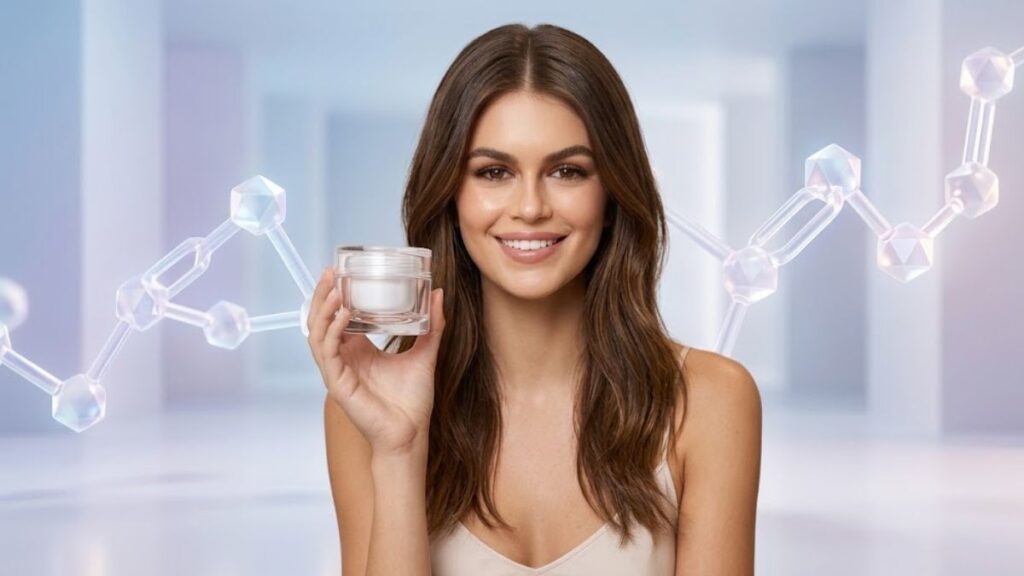
Celebrity influence continues to accelerate that trend. Kaia Gerber has publicly expressed loyalty to peptide-based skincare products from Paula’s Choice, helping reinforce the brand’s “clinical but accessible” positioning.
While cosmetic peptides are not new, their marketing has shifted. They are no longer hidden in ingredient lists — they are now the headline.
From cosmetics to clinics: peptides are also a biotech frontier
Beyond skincare, peptides are becoming a serious area of pharmaceutical innovation.
Researchers are exploring “macrocyclic peptides” and peptide-mimicking polymers as potential oral drugs for conditions ranging from metabolic disease to bacterial infections.
A recent Stanford-led study described AI-designed polymers that mimic antimicrobial peptides — molecules that kill bacteria by physically disrupting their membranes. Unlike traditional antibiotics that target specific biological pathways, these compounds act more like chemical “membrane disruptors,” making resistance harder for bacteria to develop.
This approach is part of a broader shift in drug discovery: using computational models to design peptide-like structures that are more stable, cheaper to produce, and potentially more effective than natural peptides.
Major pharmaceutical companies are now investing heavily in this space, including partnerships aimed at developing oral peptide drugs for obesity and cardiometabolic disease.
FDA draws a hard line on peptide marketing
While scientific interest grows, regulators are increasingly concerned about how peptides are being sold directly to consumers.
In 2026, the FDA issued warning letters to multiple online peptide sellers, alleging that they were marketing unapproved drugs under the guise of “research use only” labeling.
The agency argued that website claims, dosing guides, and bundled reconstitution products effectively demonstrated intent for human use — making disclaimers legally meaningless.

Key enforcement themes included:
- “Research use only” labels do not protect sellers if human use is implied
- Website marketing alone can establish illegal drug promotion
- Injectable peptides face heightened scrutiny due to safety risks
- Reconstitution supplies (like bacteriostatic water) may also be treated as drug-related products
The message from regulators is increasingly clear: peptide commercialization outside approved channels is under active enforcement.
The gray market: peptides as a self-directed health movement
Despite regulatory pressure, peptide use continues to expand in informal wellness communities — particularly among middle-aged women managing menopause symptoms.
Reports describe users sourcing peptides online, often through telehealth or “research supply” websites, and developing self-directed treatment routines without consistent medical supervision.
In these communities, peptides are sometimes referred to using coded language to avoid content moderation. Products and users are given informal nicknames, and discussions often take place in private groups or encrypted spaces.
Advocates describe peptides as life-changing for symptoms like fatigue, weight gain, and cognitive changes. Critics warn that dosing errors, counterfeit products, and lack of clinical oversight create real medical risk.
Doctors interviewed across multiple reports emphasize a common concern: many peptide combinations being used have not been formally studied together in humans.
The core tension: innovation vs. control
Peptides now sit at the intersection of three powerful forces:
- Consumer wellness demand (beauty + anti-aging + metabolic health)
- Pharmaceutical innovation (AI-designed peptide drugs and oral biologics)
- Regulatory enforcement (FDA crackdowns and compounding standards like USP <795> and <797>)
Each sector is moving at a different speed. Beauty brands are commercializing peptides as luxury ingredients. Scientists are pushing them toward next-generation therapeutics. Regulators are trying to contain unsafe or unapproved distribution channels.
The result is a market where the same class of molecule can appear in a moisturizer on a celebrity’s skincare routine, a hospital drug pipeline, and an underground online protocol — all at the same time.
Bottom line
Peptides are no longer a niche scientific concept. They are becoming a multi-industry platform — powering skincare marketing, drug discovery, and controversial self-experimentation.
But as demand grows, so does friction: between accessibility and safety, innovation and regulation, and commercial branding versus medical reality.
The peptide era has arrived — but it is still being defined.