
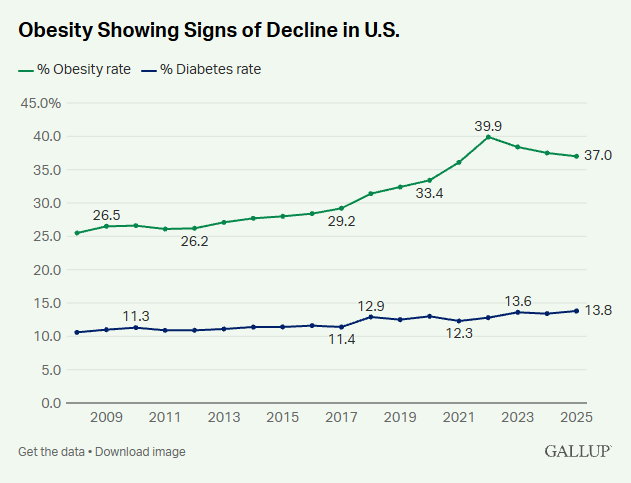
For the first time in more than a decade, the U.S. adult obesity rate is experiencing a statistically meaningful decline. After peaking at 39.9% in 2022, the national rate has gradually fallen to 36.4% in 2026, according to Gallup’s National Health and Well‑Being Index. Public health experts point to the rapid adoption of GLP‑1 weight‑loss medications as the primary catalyst behind this shift.
GLP‑1 Medications Reshape the Landscape
The decline closely mirrors the surge in use of incretin‑based therapies such as semaglutide (Ozempic, Wegovy) and tirzepatide (Mounjaro, Zepbound). Polling data show that 11% to 12.4% of American adults now report taking a GLP‑1 injection specifically for weight loss. This unprecedented uptake has translated into millions of pounds lost nationwide, marking a turning point in the fight against obesity.
Demographic Breakdown
- Gender: Women are adopting GLP‑1 therapies at higher rates (15.2%) than men (9.7%). As a result, women have seen a sharper decline in obesity rates, down 3.5 percentage points since 2022 compared with 2.3 points for men.
- Age: Adults aged 40–49 and 50–64 show the most significant reductions, aligning with the demographics reporting the highest utilization of weight‑loss injections.
A Paradoxical Health Picture
While the decline in obesity is widely celebrated, experts caution that the broader health picture is more complex. Diabetes diagnoses have reached an all‑time high of 13.8% nationally, underscoring that weight loss alone does not resolve metabolic health challenges. Physicians emphasize that GLP‑1 drugs are powerful tools but not a cure‑all, and long‑term improvements will still require systemic changes in diet, exercise, and lifestyle.
Why It Matters for Peptide Research
GLP‑1 therapies are peptide‑based drugs, and their widespread adoption highlights the growing influence of peptide science in mainstream medicine. The ability of these compounds to drive population‑level changes in obesity rates demonstrates their transformative potential. At the same time, the paradox of rising diabetes diagnoses shows the limits of pharmacology alone, reinforcing the need for continued peptide innovation alongside holistic health strategies.
The U.S. obesity decline represents a milestone in public health, but also a reminder that the peptide revolution must be paired with broader systemic solutions to deliver lasting metabolic health.
1 Response